
How AI is revolutionizing the $20B drayage industry
Drayage is still running on paper in a world that’s gone digital. AI is now turning one of logistics’ most analog sectors into a competitive advantage.
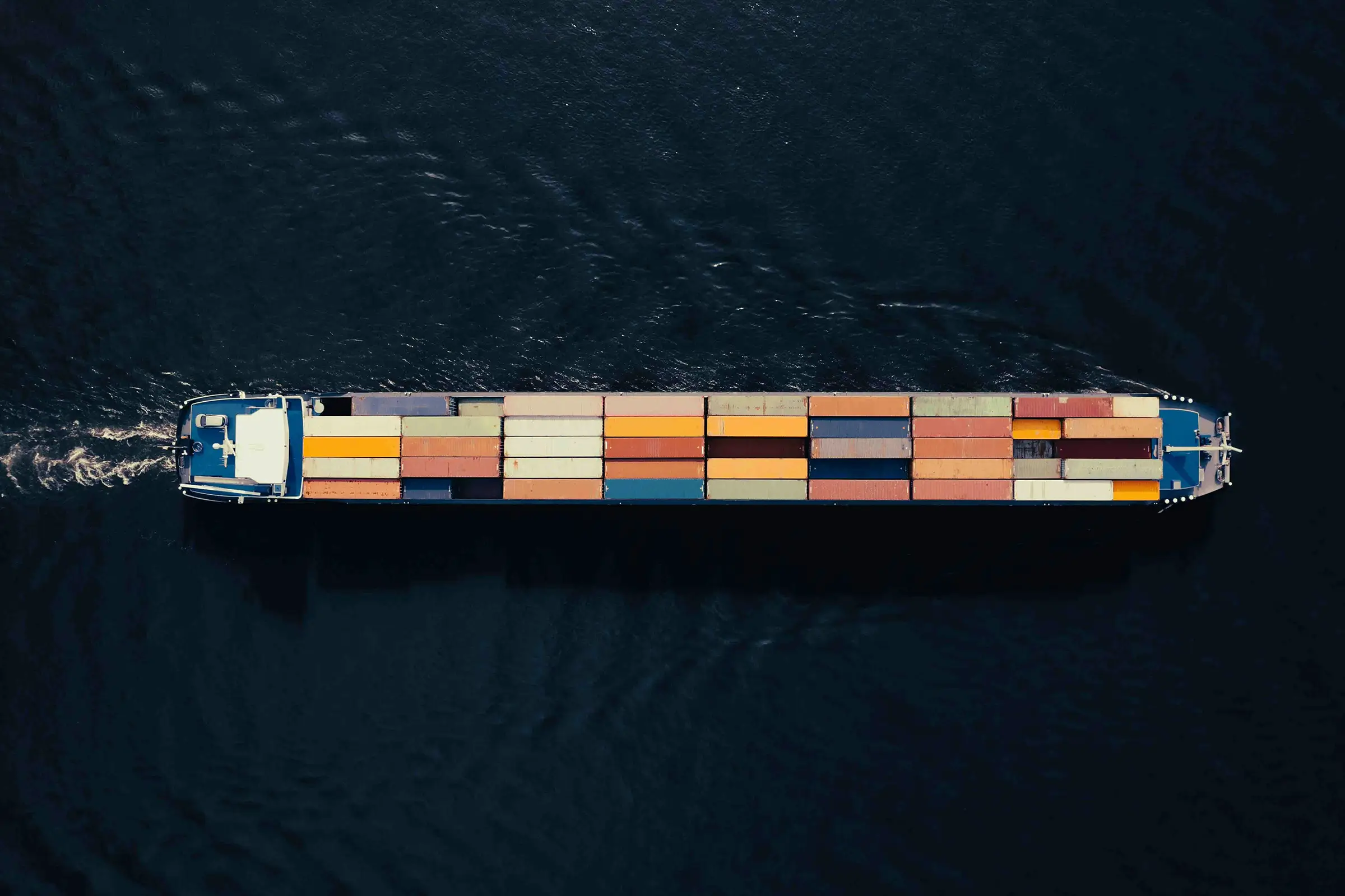
Drayage’s AI Revolution
Walk into any major port terminal at dawn and you’ll see the controlled chaos that keeps North America’s $30 trillion economy moving. Hundreds of drayage trucks queuing with drivers clutching paper manifests, a scene that has remained unchanged for decades, but AI is about to transform everything.
The $20 Billion Opportunity
Despite handling millions of containers annually as the critical link between ports and inland networks, drayage remains logistics’ most analog operation. While ocean carriers use sophisticated algorithms and 3PLs deploy AI-powered warehouses, drayage operators still wrestle with email overload and gut-instinct dispatching.
Detention fees alone drain $2 billion annually from carrier bottom lines. Add suboptimal routing, manual documentation errors, and reactive maintenance, and you’re looking at an industry leaving serious money on the table.
When drayage stumbles, entire supply chains feel it. A delayed pickup at Long Beach disrupts Ohio production schedules and Florida delivery promises.
Three Waves of AI Revolution
Wave 1: Communication Intelligence
AI agents automatically process thousands of daily emails containing load confirmations and delivery instructions, recognizing container numbers and generating pre-filled responses. Mid-sized operators handling 500 containers weekly save 20-30 administrative hours per week.
Wave 2: Predictive Dispatch
Advanced algorithms analyze driver availability, terminal congestion, and historical performance to optimize load assignments. One operator cut detention costs from $150 per container to under $25 through AI-driven scheduling.
Wave 3: End-to-End Visibility
GPS tracking, IoT sensors, and live APIs create complete transparency. Stakeholders anticipate bottlenecks, validate detention claims, and optimize routes in real-time, transforming reactive problem-solving into proactive service delivery.
The Results Speak Volumes
Early adopters are posting game-changing numbers:
- 85% reduction in manual processing costs
- 30x faster data handling
- 99% accuracy in shipment tracking
- 15-20% reduction in empty miles
These improvements translate to higher quote win rates, better customer retention, and access to complex, higher-margin opportunities.
Strategic Advantages Beyond Efficiency
The best AI implementations create lasting competitive differentiation through:
- Operational Agility: Rapid response when port congestion spikes or customers need expedited service, crucial as supply chains face increasing unpredictability.
- Predictive Intelligence: Forecasting route delays, at-risk customers, and optimal operational changes before they impact performance.
- Enhanced Service: Proactive communication, accurate ETAs, and transparent operations that build trust in relationship-driven industries.
The 2025 Reality Check
Market dynamics are accelerating adoption. GDP growth is decelerating to 2.1% while trucking rates rise, making efficiency the primary differentiator. Meanwhile, 70% of industry stakeholders now view technology adoption as critical for survival.
Environmental pressures add complexity. The Inflation Reduction Act allocated $3 billion for port decarbonization, but electric trucks require 10-hour charging for 300-mile range versus 15-minute diesel fueling for 1,200 miles. AI becomes essential for managing this transition.
The Human Factor
AI doesn’t replace human judgment, it augments it. At major ports where 77% of drivers are owner-operators, technology enables rather than threatens. Dispatchers focus on complex problem-solving, drivers get optimized routes, and customer service delivers personalized support using AI insights.
What’s Next?
The $20 billion drayage industry stands at an inflection point where economic uncertainty, environmental pressures, and technological advancement converge. Companies embracing AI now will emerge stronger from market volatility.
For logistics leaders, start with pilot programs targeting the most manual processes—email handling, dispatch optimization, documentation. Scale gradually with comprehensive training and change management.
The technology is proven, benefits are quantifiable, and competitive pressure intensifies daily. The question isn’t whether AI will transform drayage, it’s whether you’ll lead or follow.
In first-mile logistics where margins are thin and efficiency is everything, the winners are already moving. Are you?


