
How AI Strengthens Human Logistics Teams
AI is changing how logistics teams operate, not by replacing people, but by taking on repetitive and data-heavy work so humans can focus on judgement, problem-solving, and relationships. The real advantage comes from combining AI automation with human expertise to build supply chains that are faster, more resilient, and better equipped to handle complexity.
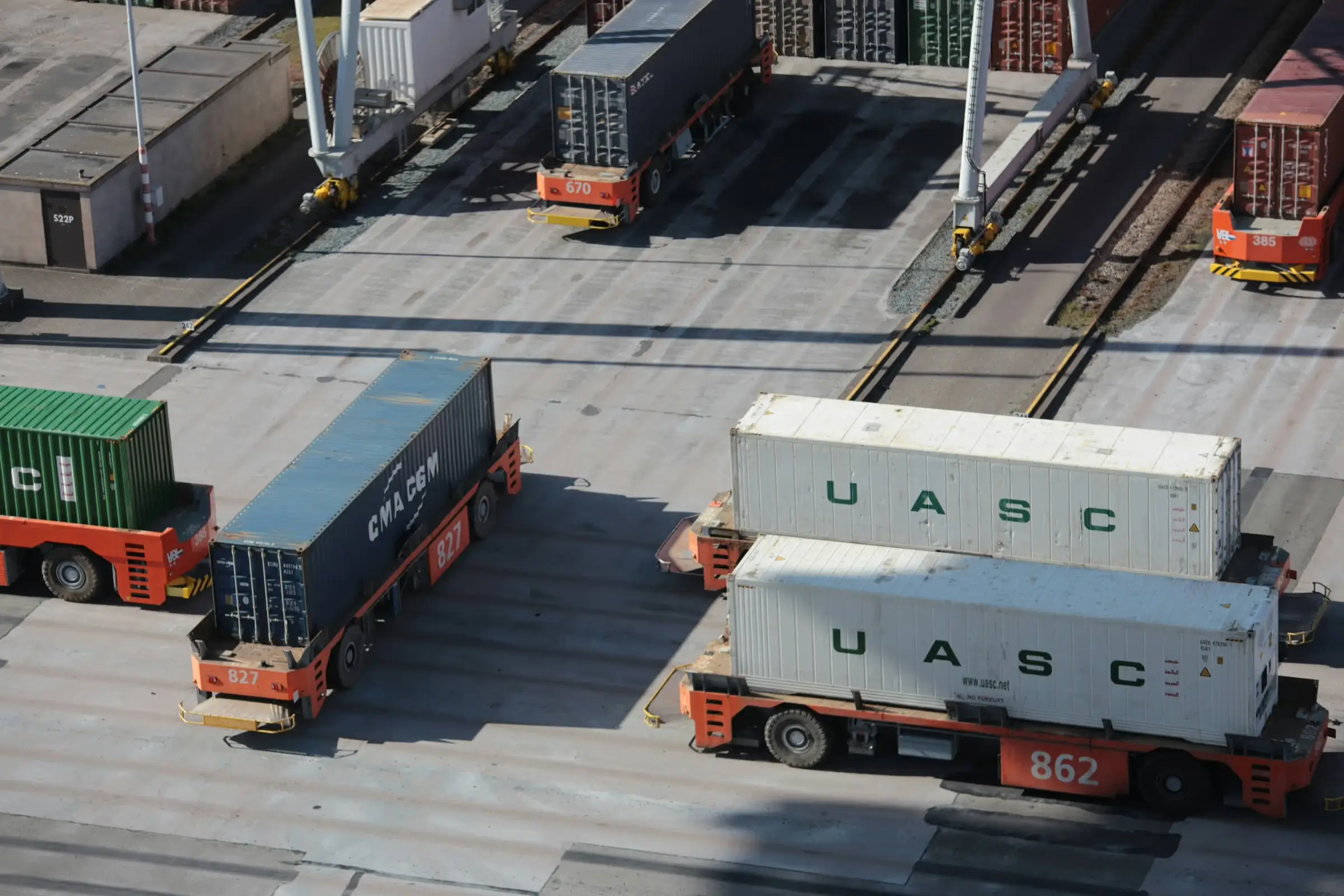
The logistics world is changing fast. Leaders are learning a key fact: ai automation is not about taking jobs away. It’s about changing how people work together. A recurring theme in the AI Ripple Effect podcast has been the balance between introducing AI to automate some processes and maintaining the critical human touch. As one guest told us, “AI won’t replace the wisdom needed for freight; it will make it stronger.” This view helps us see how technology and humans can work together in logistics. The human side is still vital in logistics. It’s where tough decisions and solving problems matter most. By using logistics automation, companies can work better and more accurately.
Key Takeaways
- The role of AI in logistics is to augment human capabilities, not replace them.
- Logistics automation enhances efficiency and accuracy.
- Human touch remains essential in complex decision-making and problem-solving.
- Successful deployments of ai automation reimagine how humans work.
- The future of logistics lies in the collaboration between humans and technology.
The Current State of Logistics: Challenges and Opportunities
The logistics industry is at a turning point, facing many challenges that need new solutions. Samuel S. H. points out that while human skills are key in project logistics, AI can make operations smoother. Combining human and artificial intelligence is key to solving today’s logistics problems.
Pain Points in Modern Supply Chain Management
Modern supply chain management has several big issues. These include inefficient workflow automation, lack of real-time data, and not enough digital workers for routine tasks. These problems cause delays, higher costs, and unhappy customers. Knowing these issues helps logistics companies find ways to fix them.
The Growing Pressure for Efficiency and Accuracy
Logistics companies are under more pressure to be efficient and accurate. With customers wanting faster and more reliable service, there’s a big need for intelligent workflow automation and advanced digital solutions. These tools help human teams work better and more accurately.
The Power of AI Automation in Modern Logistics
AI automation in logistics is changing the game in supply chain management. It brings more accuracy and productivity. Geanean Ordonez and Samuel S. H. talk about Augmented Logistics Intelligence (ALI). It uses AI to help humans, not replace them. AI is making logistics smoother by handling complex tasks better. With AI agents, companies can do things like data entry and inventory management. This frees up people to focus on important tasks.
What AI Can and Cannot Do in Supply Chain Operations
AI has made big strides in supply chain work, but it’s not perfect. It’s great at automating manual processes, cutting down on mistakes, and speeding things up. But, it can’t think like humans do. For example, AI can look at lots of data to guess demand and manage stock. But, it can’t handle complex decisions that need a deep understanding of the situation.
The Misconception of Total Replacement
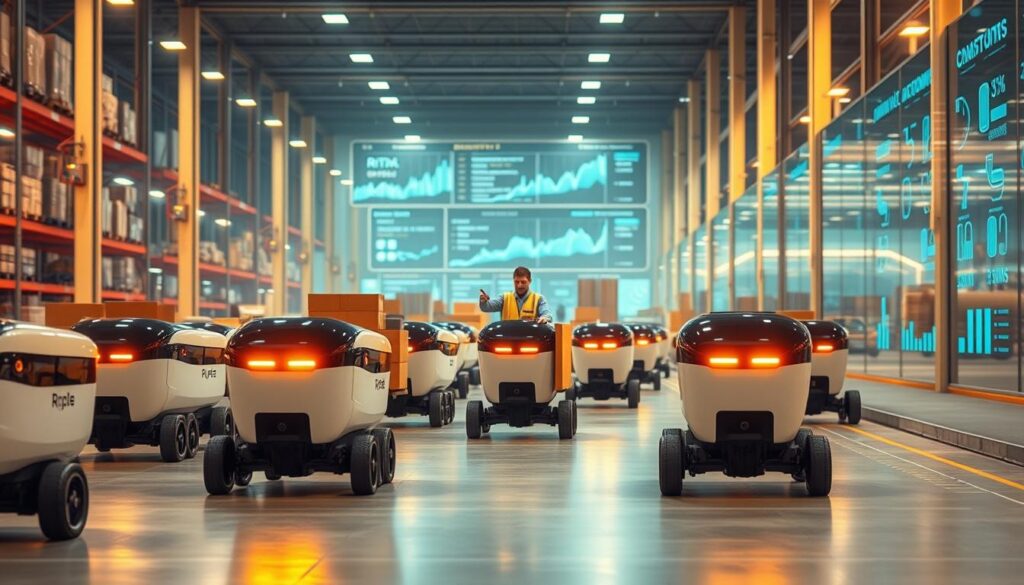
Many think AI will take over all jobs in logistics. But, that’s not true. AI is meant to help humans, not replace them. It makes routine tasks easier, so people can do more creative and complex work. The future of logistics is about working together with AI. AI automation makes humans better at their jobs. This leads to better efficiency, accuracy, and customer happiness.
The Irreplaceable Human Elements in Logistics
In today’s world of logistics automation, the human touch is still key. AI brings big improvements, but some tasks need a human’s special touch. This is because AI can’t do everything yet.
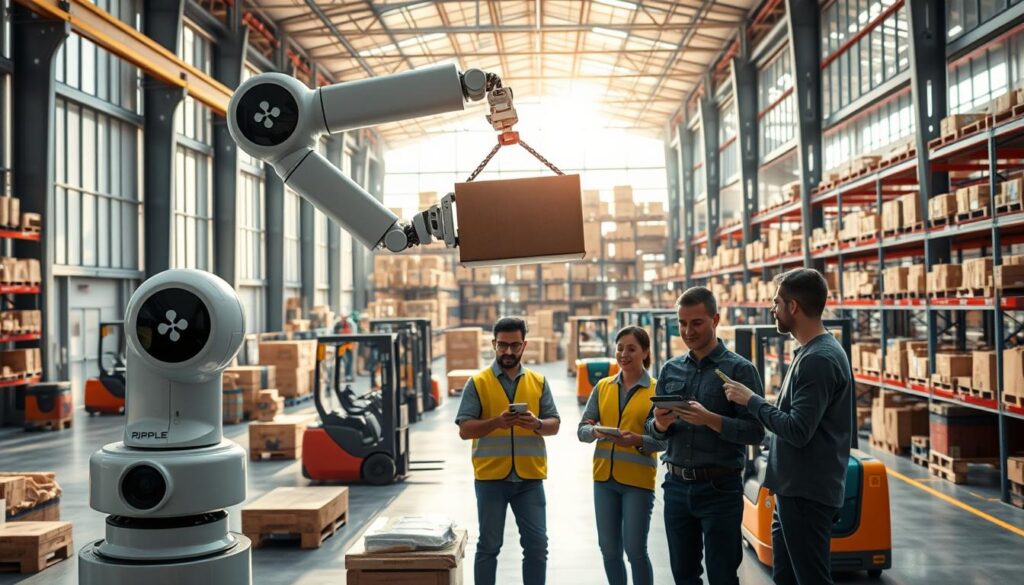
Logistics is full of complex tasks that need critical thinking and complex decision-making. Humans bring valuable judgment and experience to these tasks.
Critical Thinking and Complex Decision Making
In logistics, making tough decisions is common. These decisions involve weighing costs, time, and resources. Human teams can look at all these factors together, making choices that balance everything. For example, when a supply chain problem pops up, humans can quickly figure out what to do. They consider different options and make choices that reduce the problem’s impact. Humans also understand the full meaning of their decisions. This is very important in logistics, where mistakes can be costly. The ability to make empathy and gut-driven decisions is also useful. It helps in managing relationships and solving problems with partners or customers.
Relationship Management and Negotiation Skills
Good logistics is not just about moving goods. It’s also about keeping strong ties with suppliers, carriers, and customers. Skills like negotiation, empathy, and understanding are key in these relationships. They help solve problems, get better deals, and make sure everyone is happy. The human side of logistics is more than just technical skills. It’s about adding personal touch and understanding to the complex world of supply chains. As AI and automation grow, humans will keep being vital for creativity, empathy, and solving complex problems.
How AI Amplifies Human Capabilities in Supply Chain Management
By using AI, logistics teams can do more and better. They can make their work more efficient. This is done by automating tasks and working with digital workers.
Automating Manual Processes: From Burden to Opportunity
Logistics tasks like data entry and inventory management take a lot of time. They can also have mistakes. AI’s workflow automation can handle these tasks, letting humans focus on more important work. AI can quickly check for problems and suggest solutions. This makes work faster and more accurate, as Hemant Anand points out. It also helps teams respond quickly to any issues.
Creating Digital Workers That Complement Human Teams
Digital workers, powered by AI, can help human teams work better. They can do repetitive tasks, analyze big data, and offer insights. These insights help humans make better decisions. TaskHuman CapabilityAI CapabilityData AnalysisLimited by time and accuracyFast and accurateDecision MakingStrategic and complexData-driven insightsCustomer ServicePersonalized and empatheticAutomated and efficient
Achieving Supply Chain Efficiency Through Human-AI Collaboration
Working together, humans and AI can make supply chains better. AI helps with data and automating tasks. This lets humans do tasks that need creativity and complex thinking. This teamwork makes supply chains stronger, saves money, and makes customers happier. As logistics changes, working together with AI will be key to success.
Real-World Success Stories: The Human-AI Partnership
AI is now a big part of logistics. It’s all about working well with humans. This teamwork is bringing big wins, as shown in many stories.
Case Study: Workflow Automation in Distribution Centers
AI is changing how distribution centers work. It automates tasks like sorting and packaging. This cuts down on mistakes and boosts efficiency. For example, EmergerSmart uses ALI (Artificial Logistics Intelligence). It has greatly reduced planning and shipping tasks. This shows how humans and AI can work together well.
Key benefits include:
- Enhanced accuracy in order fulfillment
- Reduced labor costs due to automation
- Improved speed in processing and shipping orders
Case Study: AI-Enhanced Inventory Management
AI is also changing inventory management. It analyzes data to predict demand and manage stock levels. This helps avoid overstocking or understocking. The result is a more agile and responsive supply chain that can quickly adjust to market or customer changes.
Measuring AI Efficiencies While Maintaining the Human Touch
It’s important to measure AI’s benefits while keeping the human touch. We look at productivity gains, error reduction, and customer satisfaction. These show how well humans and AI work together. As logistics keeps evolving, the partnership between humans and AI will be key. It will drive innovation and success.
Embracing the Future of Human-Led, AI-Enhanced Logistics
The logistics industry is on the verge of a big change. This change comes from using AI agents to help humans work better. By using this approach, logistics companies can make their supply chains much more efficient. AI is meant to help humans, not replace them. It takes over simple tasks, letting humans handle the tough stuff. This includes making big decisions, building relationships, and negotiating. These tasks need human skills like intuition and empathy. The future of logistics is about working together, not against each other. As AI gets better, it will be a key tool for logistics experts. It will help them make smart choices, improve operations, and grow their businesses. By mixing human skills with AI’s power, logistics companies can make their supply chains better. This mix is the secret to success in a competitive market. It helps companies serve their customers better and grow their businesses.
FAQ
How can AI automation improve logistics operations?
AI automation makes logistics better by making tasks easier and less prone to mistakes. It helps with things like data entry and keeping track of inventory. This lets teams do more important work like planning and helping customers.
Will AI replace human workers in logistics?
AI will augment teams, not replace people. It lets humans do more complex tasks. AI and humans working together makes logistics more efficient and accurate.
What are the benefits of human-AI collaboration in supply chain management?
Working together, humans and AI improve supply chain management. They make decisions faster and more accurately. This helps logistics teams adapt to changes and meet customer needs better.
How can logistics companies measure the efficiency of AI automation?
Companies can track how well AI works by looking at things like how fast tasks are done and how many mistakes are made. This helps them see how AI is helping and make better choices for their operations.
What role do digital workers play in logistics automation?
Digital workers, powered by AI, help by doing routine tasks. This lets humans focus on tasks that need creativity and problem-solving. This makes logistics better overall.
Can AI enhance inventory management in logistics?
Yes, AI can make inventory management better by using past data to predict needs and manage stock levels. This helps avoid running out of stock or having too much. It makes supply chains more efficient.
How can logistics companies ensure a smooth transition to AI-enhanced operations?
Companies should first figure out where AI can help most, like in automating tasks or improving inventory management. Then, they should train employees to work well with AI. This ensures a smooth transition.


